Periodontal Disease

Periodontal Disease

Prevention and treatment for a healthy smile.

What is Periodontal Disease?

An infection in the tissues hulding the teeth in place is known as periodontal disease. It is caused when the improper brushing and flossing of teeth allows plaque to accumulate. Left untreated, periodontal disease can lead to gum soreness, bleeding, pain while chewing food, and even tooth loss.

Causes of Periodontal Diseases

Our mouths contain a lot of bacteria that can accumulate and form a sticky, colorless or yellowish film called plaque. Brushing and flossing help eliminate plaque, but unremoved bacteria can harden and form tartar, which cannot be eliminated with brushing. Tartar is only removed through a dental procedure known as scaling and root planing.

Gum diseases have numerous risk factors, including smoking, diabetes, hormonal changes in girls and women, genetic susceptibility, medication that lessens the flow of saliva, etc.

Treatment For Periodontal Disease

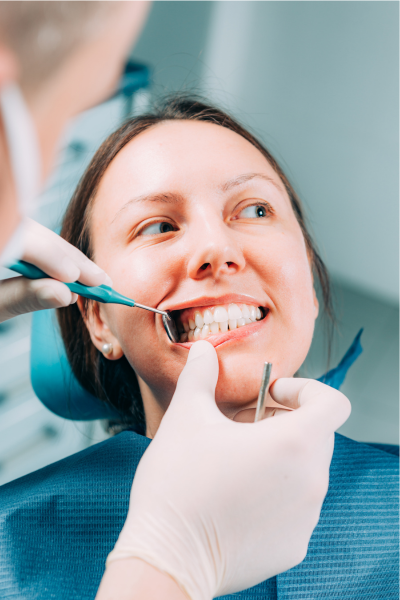
During your dental visit, we will first examine your gums for any signs of inflammation. Then we will check for any unusual pockets in your teeth and ask about your medical history to identify conditions or risk factors that can be associated with your periodontal disease.

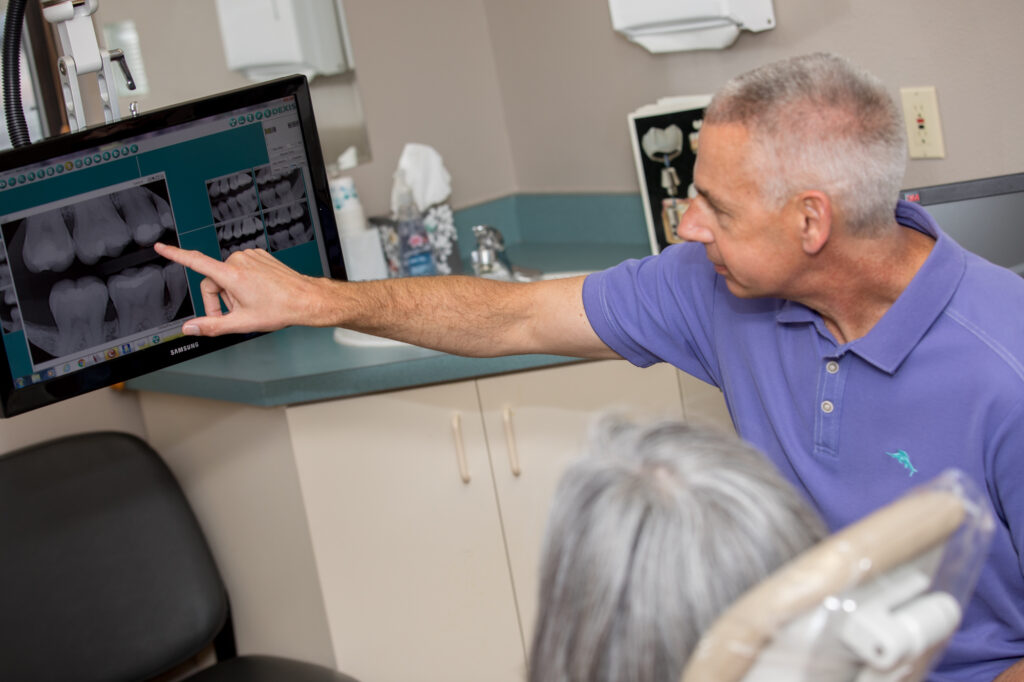
We will also determine if there is any loss of bone with the help of X-rays. If you are diagnosed with periodontal disease, the main focus of the treatment is to control the infection.

See treatment options below.

Professional Dental Cleaning

Professional dental cleanings are performed during a routine dental checkup and are your first line of defense in preventing periodontal disease. The dentist removes the accumulated plaque and tartar from above and only slightly below your gum line. If done twice a year, it prevents the plaque bacteria from developing and accumulating into calculus or tartar, which is the main cause of periodontal disease.

Periodontal Maintenance

After a patient has had non-surgical periodontal therapy performed, the hygienist will likely recommend a more frequent cleaning schedule in order to prevent the bacteria that cause perio disease from building up. Unlike a normal cleaning, periodontal maintenance is a therapeutic treatment prescribed to combat periodontal disease. You must be diligent with your personal home care routine and maintain your regular perio maintenance appointments with your hygienist.

Laser Treatments

Lasers can also be used to treat periodontal disease. According to some studies, laser treatment offers similar results as other non-surgical options and it is a minimally invasive option that leaves your gum tissue uncut and unscarred. Laser periodontal therapy uses a small laser fiber, only as wide as three human hairs, to target bacteria and infected tissue, while not affecting healthy tissue. There is no bleeding or sutures, because no incisions are made.

Non-Surgical Therapy

Non-surgical periodontal therapy is a deep cleaning of your teeth below the gumline. A dentist will numb the areas to be treated and then remove the hardened plaque and tartar from below and above the gum line. They smooth out the rough spots on the teeth that accumulate bacteria to help the gums reattach to the teeth and reduce inflammation. Your dentist will recommend products for you to use at home on a regular basis, such as specialized brushes, tools to help you clean in hard-to-reach areas, and prescription rinses and pastes to fight the bacteria and protect the roots of the teeth.

Gingival Flap Surgery or Pocket Reduction Surgery

In this procedure, the tartar accumulations are too deep below the gumline for non-surgical periodontal therapy to be successful. The dentist must lift the gum in order to access and remove the tartar. Once the surgery is completed, the dentist lays and sutures the gum back in place so that it can reattach to the teeth. With this method, the harmful bacteria are eliminated from beneath the gums and the progression of gum disease is prevented. After undergoing this procedure, it will likely be recommended to visit more frequently for periodontal maintenance.

Gum Grafting

For this procedure, the dentist uses a fragment of your own gums or a synthetic replacement to restore the parts of the gums that are damaged by periodontal disease, aggressive brushing, or other traumas. A specialist, such as a Periodontist, usually performs this procedure.

Professional Dental Cleaning

Professional dental cleanings are performed during a routine dental checkup and are your first line of defense in preventing periodontal disease. The dentist removes the accumulated plaque and tartar from above and only slightly below your gum line. If done twice a year, it prevents the plaque bacteria from developing and accumulating into calculus or tartar, which is the main cause of periodontal disease.

Periodontal Maintenance

After a patient has had non-surgical periodontal therapy performed, the hygienist will likely recommend a more frequent cleaning schedule in order to prevent the bacteria that cause perio disease from building up. Unlike a normal cleaning, periodontal maintenance is a therapeutic treatment prescribed to combat periodontal disease. You must be diligent with your personal home care routine and maintain your regular perio maintenance appointments with your hygienist.

Laser Treatments

Lasers can also be used to treat periodontal disease. According to some studies, laser treatment offers similar results as other non-surgical options and it is a minimally invasive option that leaves your gum tissue uncut and unscarred. Laser periodontal therapy uses a small laser fiber, only as wide as three human hairs, to target bacteria and infected tissue, while not affecting healthy tissue. There is no bleeding or sutures, because no incisions are made.

Non-Surgical Therapy

Non-surgical periodontal therapy is a deep cleaning of your teeth below the gumline. A dentist will numb the areas to be treated and then remove the hardened plaque and tartar from below and above the gum line. They smooth out the rough spots on the teeth that accumulate bacteria to help the gums reattach to the teeth and reduce inflammation. Your dentist will recommend products for you to use at home on a regular basis, such as specialized brushes, tools to help you clean in hard-to-reach areas, and prescription rinses and pastes to fight the bacteria and protect the roots of the teeth.

Gingival Flap Surgery or Pocket Reduction Surgery

In this procedure, the tartar accumulations are too deep below the gumline for non-surgical periodontal therapy to be successful. The dentist must lift the gum in order to access and remove the tartar. Once the surgery is completed, the dentist lays and sutures the gum back in place so that it can reattach to the teeth. With this method, the harmful bacteria are eliminated from beneath the gums and the progression of gum disease is prevented. After undergoing this procedure, it will likely be recommended to visit more frequently for periodontal maintenance.

Gum Grafting

For this procedure, the dentist uses a fragment of your own gums or a synthetic replacement to restore the parts of the gums that are damaged by periodontal disease, aggressive brushing, or other traumas. A specialist, such as a Periodontist, usually performs this procedure.

Conclusion

Sometimes, gum disease may only need to be treated using non-surgical therapy. However, when the tissues around the teeth are affected by moderate to severe periodontal disease and cannot be treated with non-surgical options, the dentist must perform surgery to treat the gums and make them healthy enough to prevent bone loss.

Periodontal infections do not have any significant symptoms in their early stages. Hence, they can go unnoticed for a very long time. That is why it is advisable to visit your dentist regularly for routine dental checkups, to identify and address gum disease early on before it leads to tooth loss.

Before undergoing any of the above-discussed treatments, our dentists will explain all the pros and cons of each treatment thoroughly. This way, you will be fully confident in the procedure.

What our Patients Say

Contact Cheyenne Mountain Dentistry & Wellness

We look forward to taking to you!

Whether you need to book and appointment, change an appointment, or just need to talk to us, leave us a message and we will get right back to you. Prefer to talk to someone? Give us a call!

Prefer to text with us?
3605 Star Ranch Rd, Colorado Springs, CO 80906
Available Hours
Mon 8:00 am – 5:00 pm
Tues 10:00 am – 6:00 pm
Wed 8:00 am – 5:00 pm
Thur 8:00 am – 4:00 pm
Friday 8:00 am – 1:00 pm
Name
Please choose one:

Facts about Gum Disease