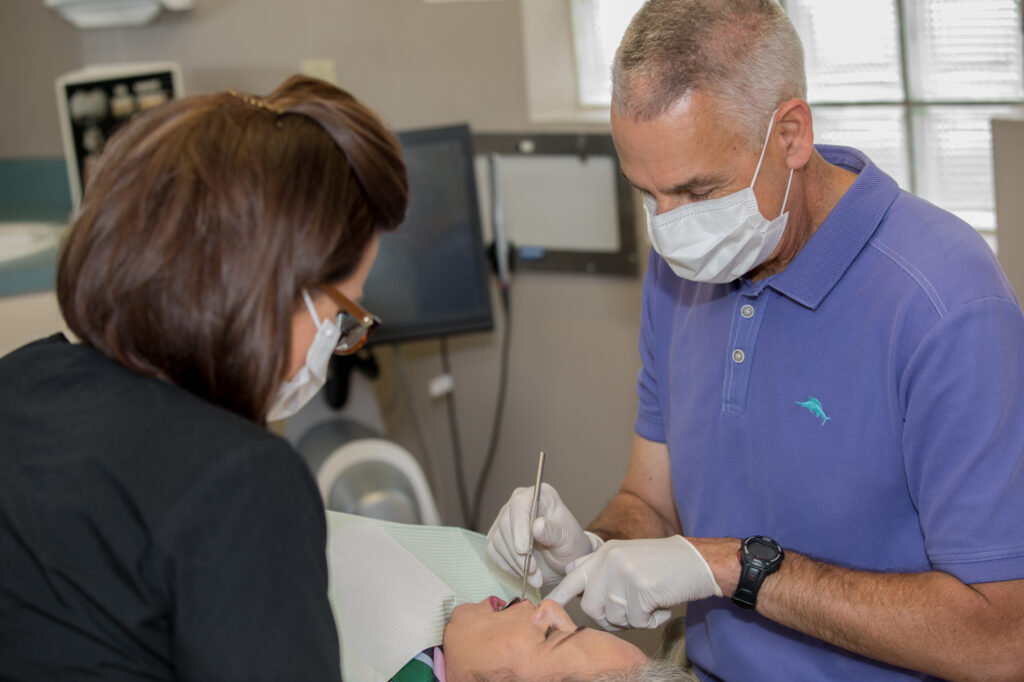
What Happens During a Dental Exam?
Welcome to our dental blog! Are you ready for your next dental exam? We know going to the dentist may not be everyone’s favorite activity, but it is an essential…

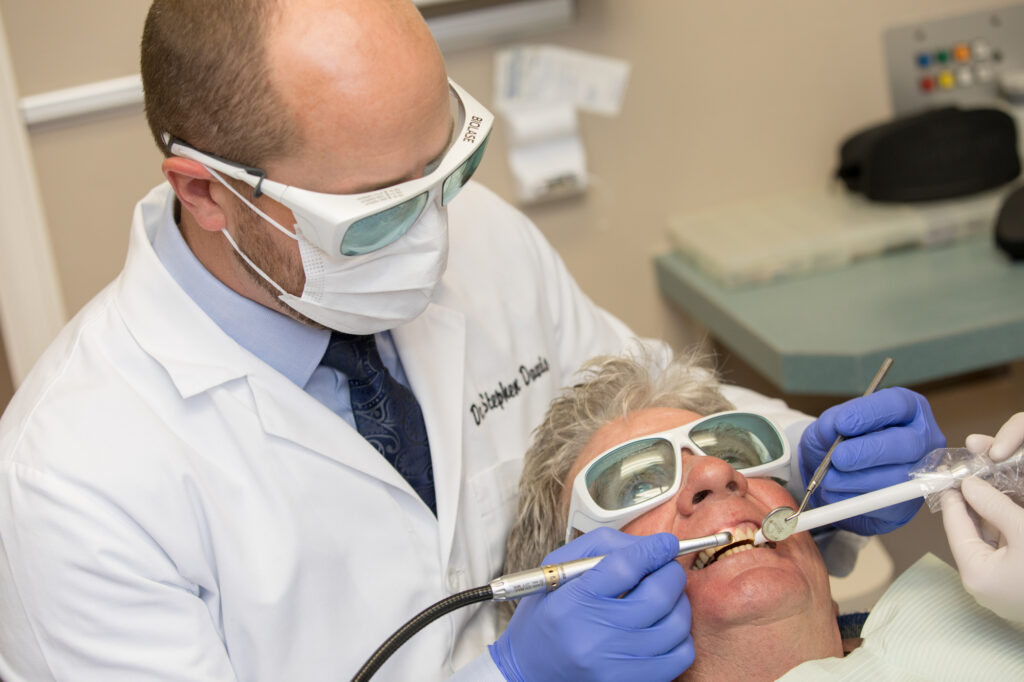
The DEKA QuietNite laser is an advanced CO₂ (carbon dioxide) soft-tissue laser used to help patients who snore and have compromised airway function during sleep. It’s a minimally invasive, in-office procedure that can significantly improve airflow and sleep quality.
Unlike surgical options or bulky devices, QuietNite uses laser energy to stimulate changes in the soft tissues of the upper airway, especially the soft palate, which is often a key contributor to snoring.

The QuietNite laser emits a targeted stream of CO₂ energy that:
• Gently heats and stimulates soft tissues in the back of the mouth (like the soft palate).
• Encourages your body to produce more collagen — a structural protein that gives tissues firmness.
• Tightens and tones those tissues, helping them vibrate less and maintain a more open airway during sleep.
This process — sometimes called neocollagenesis — helps the airway stay more open and firm without cutting or traditional surgery.
The laser’s UltraSpeed pulse technology enhances precision and minimizes trauma to surrounding tissues, often eliminating the need for sutures and reducing downtime.
• Quick: Most treatments take under 10 minutes in the dental chair.
• Comfortable: The procedure is well-tolerated with minimal discomfort.
• Minimal recovery: Most patients go about their normal day immediately afterward — no heavy sedation or long healing time.
• Repeatable: Because tissues can relax over time, patients may choose periodic follow-up treatments (often annually or as needed) to maintain results.
We typically consider QuietNite laser therapy for patients who:
• Experience frequent snoring that disrupts sleep for themselves or their bed partners.
• Have signs of airway laxity — especially a soft palate that vibrates or collapses during breathing.
• Want a non-surgical option for improving airway structure and sleep quality.
• Prefer a quick treatment with minimal downtime and may not be ideal candidates for other procedures.
This therapy is especially helpful for snoring caused by soft-tissue vibration — often seen in mild to moderate sleep-disordered breathing — and can improve airflow without implants, CPAP devices, or invasive surgery.
The QuietNite laser is one part of a comprehensive airway care approach. We may recommend it:
It’s not a stand-alone diagnosis for obstructive sleep apnea, but it’s a powerful non-surgical treatment for reducing snoring and improving the airway’s structural integrity.
• Results may be noticed within days after treatment.
• A series of 2–3 sessions, spaced a few weeks apart, is common for best outcomes.
• Some patients choose yearly “touch-ups” as part of their routine dental or airway care.
Because tissue elasticity can gradually return over time, occasional follow-up helps maintain the effect.
The DEKA QuietNite CO₂ laser:
It’s an effective way to help patients breathe easier at night and sleep better — all without surgical intervention.
 Posted on Google
 Theresa B0 days ago
Trustindex verifies that the original source of the review is Google.
I love this dental office! Dr. Bertsch, Dr. Davis, and Dr. Watson are all good. They are professional, personable, and I have not ever had a bad experience here. Cristal is the hygienist I see and she is the best! I have never had any hygienist clean my teeth like she does plus I love her sense of humor. I highly recommend Cheyenne Mountain Dentistry and Wellness.Posted on GoogleJo A1 days agoCMD is a busy but professional office! Shannon, a new hygienist to me, was very thorough and friendly. The office staff smiles! and are accommodating. I always leave feeling like I’ve gotten excellent care!Posted on GoogleCharles M1 days agoShannon is best dental hygienist ever. Thorough, gentile treatment. Highly recommend herPosted on GoogleDonna G1 days agoGreat communication and a well run office.Posted on GoogleChas B3 days agoPrompt, cordial, clear, competent.Posted on GoogleKatina A3 days agoI have been seeing Dr. Davis for over 20 years. He is great along with the staff.Posted on GoogleCarol L7 days agoFrom the front desk through my dental procedure, I was treated with the utmost respect and yes even good humor. Barbara thoroughly prepped and prepared me, Dr Bertsch was gentle and kind and fast!! Barbara then completed my procedure and I was on my way in 30 minutes! Thank you to all!Posted on GoogleSharon W8 days agoThey took time to get the calcium off my tooth.Posted on GoogleSteven K10 days agoDr Watson is fantastic and treats you with respect and professionalism. The staff is also very accommodating.Posted on GoogleJena R10 days agoVery professional and helpful group. Everyone is very nice and Cheryl always makes my visit enjoyable and the time goes by fast. Very clean facility, too.Posted on GoogleMark W14 days agoAbsolutely fantastic from start (welcome) to finish (have a nice rest of your day).Posted on GoogleNorm R14 days agoEfficient Friendly InformativePosted on GoogleSteve S14 days agoOn time, friendly and good service.Posted on GoogleTomas Z15 days agoPersonable. Very professional, efficient, and caring. GREAT.Posted on GoogleDenise H15 days agoJulie was a pleasure to work with. Personable & professional.Posted on GoogleKathy T15 days agoSuperb cleaning of my teeth. I'm very happy with this dental office.Posted on GooglePaul E17 days agoI've been going there for years and their service has always been great.Posted on GoogleWilliam M20 days ago⭐⭐⭐⭐⭐ I’ve had a great experience with this dental office my whole life. Everyone is always friendly, professional, and makes you feel comfortable from the moment you walk in. They do an excellent job, take the time to explain everything, and genuinely seem to care about their patients. It’s nice having a dentist and staff that you can trust. I would definitely recommend them to anyone looking for a great dental office! They got new furniture in the waiting room that is supper comfy.Posted on GoogleRaider Z21 days agoDr. Davis, Stephen is an exceptional physician. His presence and therefore bedside manner bring instant comfort and relief. My previous dental experiences were both traumatic and painful both physically and emotionally. This Doctor was very different and validated my issues with care and tenderness. This will definitely be my new office for established dental care. Thank you Dr. Davis. -Caylee B.Posted on GoogleSandra S21 days agoPrompt, personable and efficient. Thank youPosted on GoogleFrank C21 days agoQuick and easy cleaning. Love it! You are the best! Thank you for being a great dental organizationPosted on GoogleRyan L21 days agoExcellent! Staff is sweet and quality of care is top tierPosted on GoogleKen G21 days agoQuick, easy and professional.Posted on GoogleCarol P22 days agoCaring staff, expert care, timely response and excellent care in emergencies.Posted on GoogleMichael B23 days agoMy visit to Cheyenne Dental was great. The staff there from the front office to the dentist were kind and professional. They performed their duties well and treated me like I was their only concern. I highly recommend this practice.Posted on GoogleFred S27 days agoI’ve been going here for 8 years and it’s the friendliest place in town everyone is the nicest people i knowPosted on GoogleDawn C28 days agoI couldn't get in as soon as I wanted so I was put on a cancelation list. I was seen within a couple days. The hygienist did a great job cleaning my teeth.Posted on GoogleMary D28 days agoHave been coming here for 22 years. Staff is amazing starting with check in a their thoroughness checking my insurance . I have the most fabulous hygienist , Crystal who does an excellent job of cleaning my teeth and ALL the providers are great!!!Posted on GoogleEric S29 days agoDr. Davis and his crew are the absolute best! Cleanings are as comfortable as you could ask for and he has all the tools and kindness to take care of any of your major issues...highly recommend!Posted on GoogleHilario P30 days agoGood experience always with Cheyenne Mountain Dental Group!Posted on GoogleFred P31 days agoIt was good.Posted on GoogleFred &36 days agoEXCELLENT@Posted on GoogleRobert N38 days agoGreeted with a smile at the desk and everyone in the office… Julie is the best! Dr Davis is always warm and personable!Posted on GoogleJill O43 days agoThank you, thank you!!! My crown on my front tooth fell off due too using my teeth when clearly I should have reached for a pair of scissors. After talking with my Health Insurance provider, they sent me several choices of what dentists I could use . I chose Cheyenne Mountain Dentistry as it is very close to my home, as well as, reading reviews on Google about the practice. The next morning I called to make an appointment for help with my crown. They were able to get me in on that day. I was over the top excited because I looked pretty ignorant with one of my front teeth missing. My crown was able to be repaired but it was suggested that I get a new crown due to the age & damage of the crown. I will be returning in a few weeks for that new crown. I am pleased with Cheyenne Mountain Denistry...Posted on GoogleJudy M43 days agoAs a patient of Cheyenne Dentistry and Wellness for nearly three decades, I can recommend the quality and care provided. Many thanks.Posted on GoogleAllen D44 days agoThe staff there are very friendly and professional. They make your experience at their office enjoyable (well as enjoyable as it can be, going to a dentist) :)Posted on GoogleCornelia S44 days agoThis is the best dentist office in town. I’ve been a patient there for 26 years and they never disappoint. The staff is super nice and professional. I love going there! And Dr. Davis is theeeee best!!!!Posted on GoogleLilybeth P44 days agoShannon does excellent work and has efficient attention to detail that gives confidence in her dental cleaning. Dr. Watson has always given the best of care. She is very knowledgeable and provides the information needed to make decisions. Very caring environment and top-notch expertise.Posted on GoogleMargot A45 days agoI was there for a cleaning that was done very well. The tech was very thorough and very personable. Found a dental solution with a possible cost.Posted on GoogleDenisemarie48 days agoAlways friendly. Feels like visiting friends. Ready for you right at appt. time. In and out within an hour.Posted on GoogleWilliam A50 days agoJust a cleaning, on time, friendly and thorough.Posted on GoogleSonny E50 days agoIt was a pleasant experience. Plus a good conversation made me feel at ease.Posted on GooglePriscilla A50 days agoShannon does an exceptional job providing detailed information about needed care. She is very patient focused and friendly.Posted on GoogleRobin D50 days agoEveryone at Cheyenne Mountain Dentistry and Wellness is exceptional!Posted on GoogleDonna J52 days agoStaff is very professional and thorough. Equipment is State of the Art.Posted on GoogleCrystal S52 days agoEvery dentist, hygienist, assistant and front office are the best. You can't find a better office.Posted on GoogleScott H55 days agoVery professional and friendly staff - service provided was excellent! Highly recommend this practice to everyone.Posted on GoogleNikki C55 days agoAll of the dentists here are amazing! Crystal is the best dental hygienist ever. They truly care about you and your health.Posted on GoogleRay G55 days agoGreat technician,practical doctor, super service!!!Posted on GoogleClinton B62 days agoDr. Bertsch and staff was great.Posted on GoogleStephanie S63 days agoCrystal is the best! Knows what she is doing and cares..Posted on GoogleElder T64 days agoGreat service !!Posted on GoogleSteven B64 days agoExpert care. Quick response to losing a crown. Got me right in. Very thorough with X-rays to confirm no other problems. Very personable. All the staff from front end to Dentists! Very happy. Been a customer of Cheyenne mountain Dental since 1994.Posted on GoogleRinda C66 days agoThe staff is very friendly, skilled and extremely professional. When I moved to Colorado from Texas, I was grateful I found this wonderful dental care office.Posted on GoogleLarry B69 days agoNice experience everyone does a great job!Posted on GoogleKevin H71 days agoGreat staff and Dr. Davis is outstanding. Have been going to them for many years and wouldn't use anybody else.Posted on GoogleBrenda M71 days agoWonderful, professional staff. I am a big chicken when it comes to going to the dentist. I felt super relaxed and comfortable in the chair.Posted on GoogleDave S72 days agoGreat experience as always.Posted on GoogleLinda Z72 days agoVery professional and knowledgeable staff.Posted on GoogleKendra G78 days agoI had a fabulous experience, Dr Watson was thorough and took time to listen and help me, as well as the office staff ! Five stars from mePosted on GoogleTammy C79 days agoGreat Dentist office. Very friendly and does an amazing job with all aspects of Dental care! Highly recommend.Posted on GoogleShelley R80 days agoDr Bertsch and Julie have taken care of my dental needs for over 10 years. Love them both.Posted on GoogleDavid D80 days agoCheyenne Mountain dental clinic has been my clinic for 20 years. They always do great work and with positive environment. Always appreciate their service and effort.Posted on GoogleJa R87 days agoGreat customer service.Posted on GoogleSteven S90 days agoVery friendly folks from the front desk to the people in back. One of the best cleanings I've ever had.Posted on GoogleYeni W91 days agoI had a great experience this morning, my dental Hygienist was amazing!Posted on GoogleScott H92 days agoGreat practice. Has served our family for 25 years. Dr Bertsch is the best. From the time you walk in and are greeted with a smile till you leave, it’s like having a drink at the Ritz. Couldn’t be smoother.Posted on GoogleAnthony I93 days agoGreat experience.Posted on GoogleEmory N99 days agoAlways prompt and friendly!Posted on GoogleSusan B99 days agoI've been going to this dental practice for 24 years. Dr. Davis and Crystal, hygienist, are excellent.Posted on GoogleNancy P101 days agoVery kind and friendly staff. Hygienist (Miss Julie) did an excellent job.Posted on GoogleJasper S103 days agoI have been a very satisfied patient of Dr. Bertsch and CMDG for 15 years. I've written another testimonial during that time. However, I received extraordinary care yesterday that I needed to write about. I had major discomfort in one of my teeth and the kind staff were able to get me an appointment at the end of the day. When Dr. Bertsch saw me at 4 PM he was as energetic as if I had been his first patient of the day. I'm grateful that I could get an evaluation as quickly as I did. Thank you CMDG. UPDATE 6.19.2026: I wrote the review above 2 years ago and for some reason it didn't post. So when I intended to write a new post today, the old one above posted. As it turns out, yesterday I received another extraordinary example of patient care from CMD&W. I chipped a tooth that was rubbing my tongue raw. Scheduler Rachel--who has a wonderful upbeat personality--worked to get me in with my favorite hygienist, Megan, during the morning. Megan and Dr. Bertsch worked to fix the chip. I don't know how many patients Megan and Dr. Bertsch see every week, but each time I have an appointment, I feel as though I'm their only patient that day. Thank you for the personalized and cheerful care, Megan. I'm grateful you're in my corner. --TAOPosted on GoogleEmily M105 days agoOur whole family goes to see Dr Davis and his team. They are the best! Super thorough and reasonablePosted on GoogleJames L109 days agoOne of my favorite dentists Cheyenne Mountain Dentistry and Wellness very skilled and highly recommended dentists. Thank you Dentist Krystal for my dental needs hospitality.Posted on GoogleHappytrailstoyou113 days agoWe love going to Cheyenne Mountain Dentistry. All the staff members are so friendly and professional. We trust them and have enjoyed going to them for years.Posted on GoogleJuancho G118 days agoMy dentist was able to see me in a timely matter and provided a fast and efficient solution to my dental issue. Thank you so much for squeezing me into your busy schedule!Posted on GoogleEvil Q118 days agoThey are fantastic. I've been going here for 20 years. My whole family trusts Dr. Bertsch, he is always point on. Our hygienist is Crystal, she is fantastic - she does my teeth, husband and our 2 sons teeth. This is a top notch clinic from the front office staff to the back / clinical staff and providers.Posted on GoogleRoberta H119 days agoFriendly, efficient and thorough.Posted on GoogleShelley E119 days agoFriendly staff. Hygienist Shannon is very thorough and knowledgeable. Great experiencePosted on GoogleDick D121 days agoMy Hygienist did a great job cleaning and polishing my teeth. And the Dentist did a good job explaining things we want to watch in the future. Great experience.....literally the most pleasant dental experience I've had in years !!Posted on GoogleBrian R124 days agoBeen coming here for years, always great!Posted on GoogleRegina L126 days agoPerfect place to go whether you are nervous or not with dental work. They are excellent at what they do!Posted on GoogleThomas B127 days agoI have a patient here for more than 30 years and will NEVER go anywhere else unless it is an emergency and I am out of state. Dr Bertsch is, in my opinion, the best in his field.Posted on GoogleDeny127 days agoThere is no where better. Cutting edge offerings, nice and professional workers, very comfortable and very adaptive. Dentists are humane and very personable.Posted on GoogleDavid L134 days agoMegan was great!Posted on GoogleCatherine T135 days agoI had a filling procedure. The staff seems happy to work there and it shows with smiles, humor and friendly service. The dental procedure was relaxed, quick and gentle. Going to the dentist is not fun, but they make it as fun as it can be.Posted on GoogleSandra R135 days agoI have been going to Cheyenne Mountain Dentistry for 20 years. I have had regular dental cleaning, crown, and fillings.Posted on GoogleSue W136 days agoAlways great dental hygienist and the dentist are wonderful.Posted on GoogleGloria H139 days agoWonderful visit as always. Prompt, efficient, professional care. Always knowledgeable and patient in responding to my questions. Always Top of the line care in a modern, clean, and beautifully appointed office. Highly recommend!Posted on GoogleSundhya G139 days agoGreat dental care! Have been going to Cheyenne Mountain Dental for 10 years and receive excellent dental care every visit.Posted on GoogleBob S140 days agoI have been going to Cheyenne Mountain Dentistry for over 5 years now and wouldn’t hesitate to recommend them. Dr Bertsch is an excellent Dentist and has taken great care of me. Their Dental Hygienists have all been great, very professional and helpful.Posted on GoogleMark D141 days agoAlways friendly, courteous and professional. Highly recommendPosted on GoogleMichael P141 days agoGreat service and friendly, knowledgeable staff. They were very patient and compassionate toward those of us with dental anxiety.Posted on GoogleSu H146 days agoGreat office, love the Staff, Hygenist and Dentist!! 😃Posted on GoogleJennifer M156 days agoEveryone from the front desk to the Doctors are absolutely delightful. Crystal is a sweetheart and makes the cleaning process a lovely experience.Posted on BBB Rachel B157 days ago
Trustindex verifies that the original source of the review is BBB.
I love this dentist, been a patient since 2018 and I would not go anywhere else. From the front office staff to the clinical team, I always feel comfortable and well cared for! Not to mention Dr ***** does amazing with my *****!! Talk about a one stop shop!! Highly recommend Cheyenne mountain ********************* love the new name by the way.Posted on GoogleDebi K161 days agoMy hygienist said I am doing a good job flossing and brushing! That made me feel great! Thank youPosted on GoogleBaltazar A161 days agoFriendly and professional as always.Posted on GoogleLesha D162 days agoDr. Watson and assistant RaShawn was so amazing! Thank you both for the work you did! Love, “Dr. Davis” ‘s sister Lecia DavisPosted on GoogleJimmy P163 days agoQuick and easy. Very friendly.Posted on GoogleXiomara E168 days agoBeen going there for years best doctors, very friendly place.Posted on GoogleSarah P169 days agoThe care and attention I’ve received at every appointment over the years has been unmatched. I’m actually excited to go to the dentist every six months! Absolutely recommend Cheyenne Mountain Dental!!Posted on GoogleJoan C174 days agoGreat pt. engagement and dental procedure workPosted on GoogleCarol A175 days agoDr Davis and his staff are so great. From walking in the door until check out patient care and comfort are their top priority. I am so happy I switched to this practice for my dental care, even with having to drive 30 mins to get there.Posted on GoogleRobin D176 days agoI've been a patient for years. My experience has always been positive.Posted on GoogleCj M176 days agoMy family and I have been going here for almost 10 years and we absolutely love them. They are so friendly and professional. When my daughter had her teeth knocked out from a horse incident. They were able to squeeze here in the day after her E.R. visit and fix her teeth for her. We were so thankful. We absolutely love love love these guys and highly recommend them.Posted on GoogleKyle K178 days agoAlways professional! I feel comfortable being honest with my own less than stellar care at home. They alway help me get better and make sure I get better at maintaining my dental health. Always feel good about going to see them, even when I haven’t done the best at home. Highly recommend.Posted on GoogleHd L178 days agoExcellent practice with very personal attention to my dental needs. Best dental experience in Colorado.Posted on GoogleDeborah S178 days agoFriendly and efficient service!Posted on GoogleLeona B182 days agoPleasant and professional.Posted on GoogleJoe O183 days agoGreat experience. Easy checkin in. Short wait and very friendly service.Posted on GoogleSue184 days agoI am embarrassed to say that I'm a dental coward, I rather be doing anything than be at the dentist's office, however, my visit to Cheyenne Mountain Dentistry and Wellness today was excellent. They understood my anxiety and explained all the steps so I was put at ease. The staff were friendly, kind and understanding. I'd like to thank everyone there especially Barb and Dr Davis. If you're a coward like me you might want to consider this dental practice, I don't think you'd be disappointed and it could change your opinion about going to the dentist.Posted on GoogleJackie B185 days agoThe office staff was able to help answer and clarify insurance questions quickly and did this gladly while I was in my appointment!Posted on GoogleSharice S189 days agoFriendly, courteous office staff. Accurate and on time appointments. The Doctor’s were caring,, open and warm.Posted on GoogleSteve W190 days agoAlways a great experience here. Front desk to Crystal to Dr Watson. I always feel well taken care of.Posted on GoogleSherri S192 days agoFull confidence in the staff. Welcoming, clean, friendly, great feeling of assurance that I’m being taken care of.Posted on GoogleJena R195 days agoVery comfortable and pleasant experience. Crystal is great and answered my questions even the garbled ones :0) Thank you!!Posted on GoogleSuzanne M196 days agoKnowledgeable, pleasant staff and dental professionals, willing to discuss, explain, and offer options each step of the way.Posted on GoogleMark S196 days agoJulie was great, cleaning was smooth sailingPosted on GoogleStephanie B197 days agoI have been going to the Cheyenne Mountain Dentistry and Wellness Group for several years now. I have had several dental procedures done as well as cleanings. I'm always pleased at the professionalism and caring that the staff show specifically Dr. Bertsch and Crystal. They keep my teeth healthy and looking their best which I appreciate. I wouldn't go anywhere else for dental care. Stephanie BestolPosted on GoogleDaniel D203 days agoVery comfortable and friendly. Shannon kept me informed and entertained. You're very lucky to have her on your staffPosted on GoogleMackenzie S203 days agoFriendly staff, helpful advice, budget conscious decisionsPosted on GoogleTracy K206 days agoThat's why I have been a happy patient for over 20 years.Posted on GoogleR. S209 days agoMy family has been going to this dental office for over 20 years. I love Crystal my hygienist. She does a great job, she's very professional and truly a great person. My Dentist is Dr. Bertsch and he is always very professional and very personable. I highly recommend Cheyenne Mountian Dentistry to my family and friends.Posted on GoogleCrisco B210 days agoI always receive great care from Cheyenne Mountain Dentistry, friendly and thorough. Long time patient.Posted on GoogleDavid C211 days agoEveryone is very welcoming and gives you confidence that you will receive the best care..........Posted on GoogleSandra W212 days agoMy family and I have been coming here for years. Everyone is polite, courteous, and professional. The quality of care is fantastic.Posted on GoogleKatherine V213 days agoAmazing staff !!Posted on GoogleLori Z217 days agoEveryone is so happy and very polite!!! Great dental visit.Posted on GoogleSara P217 days agoGreat dentist office. The service is always wonderful. Been going here for years.Posted on GoogleRachel217 days agoHighly recommend Cheyenne Mountain Dental. From the front office, hygienist, and doctor exam it was beyond amazing! If you need a Colorado Springs dentist, do not pass on this practice! It’s literally the best! :)Posted on GoogleKaley J217 days agoI have been coming here since I was 7 and their care is ABOVE AND BEYOND! As a person in recovery form substance use disorder, my teeth needed extra care and they have been so gentle, caring, compassionate and non judgmental. I cannot recommend Cheyenne Mountain Dentistry and Wellness enough!Posted on GoogleMartina H218 days agoVery friendly and professional.Posted on GoogleMeg S232 days agoBest dental experience ever! Yep... I said it. No wait in the lobby, friendly service, no pain, in and out in no time with a fixed tooth and able to smile again. It didn't even hurt at the end when I paid. 🤯Posted on GoogleRegen P232 days agoCheyenne Mountain dentistry amazingly was able to schedule my daughter for an emergency dental appointment to address major tooth pain issues. Dr Watson proved to be very professional and clearly is a fantastic dentist! She took the time to explain everything related to the visit to me and treated my daughter with respect and dignity. Highly recommend Visiting Cheyenne Mountain dentistry for all your dental needs!!Posted on GoogleCosta M234 days agoAll healthcare providers there were very knowledgeable and answered all concerns regarding the specific issue I went in for. I highly recommended Cheyenne Mountain Dentistry.Posted on GoogleJerlene D237 days agoStaff was amazing from the moment I entered the building. Smiles, Smiles and Smiles with everyone I encountered.Posted on GoogleAnnette H237 days agoThe care and attention was great. I really enjoyed the warm blanket. If you need a dentist, I recommend this group.Posted on GoogleDan (238 days agoJulie & Crystal Are the Best Hygienist in COS. Great Service & Care. Would Recommend.Posted on GoogleDonna H238 days agoEveryone at Cheyenne Mountain Dental Group is friendly and professional. They take great care to ensure their patients' safety and comfort.Posted on GoogleJasmine G239 days agoVery kind staff that took care of me when I had an emergency out of town! Not to mention cost-effective.Posted on GoogleMichael S239 days agoThe entire team is the best!!Posted on GoogleAnnette S240 days ago2/2/2026 I just had my teeth cleaned by an awesome hygienist!! Thank you for making me feel comfortable while cleaning my teeth!Posted on GoogleJeff M244 days agoThis Dentistry group is friendly, professional, and trustworthy. I have been going to them for 25+ years and never had an issue. I would highly recommend them.Posted on GoogleChris G245 days agoDr. Davis took the time out of his busy day to help me with an unexpected dental problem. He and his staff went the extra mile to help with this very significant problem. His work was perfect.Posted on GoogleRay D245 days agoSo happy to switched to this practice.Posted on GoogleKathleen D246 days agoCheyenne Mountain Dentistry and Dr Bertsch do a very thorough and professional job and the staff is always friendly.Posted on GoogleDeborah B251 days agoEveryone here is great. An excellent, caring practice!Posted on GoogleShannon S252 days agoCrystal is the best dental hygienist! My family has been going to her for years. She is extremely thorough with her cleanings and a delight to see!Posted on GoogleAvery S253 days agoAlways very easy, everyone is always so kind and respectfulPosted on GoogleJohn A255 days agoAs always… professional, courteous, smooth and thorough. What else is there?Posted on GoogleCorey B255 days agoI'm 38 and have been going here since I was 12. The environment, friendly service from the front desk to the individuals you interact with while sitting in the dental chair, as well as the dentists is the same awesome feeling since the beginning. I would recommend that anybody that wants to have a calm and enjoyable dental experience come to Cheyenne Mountain Dental Group.Posted on GoogleGale L266 days agoHelped my son immediately with a cracked tooth, thank you! G LaubachPosted on GoogleJill G268 days agoThank you for great customer service! My dental work was completely seamless with professionalism, friendliness and effort to complete the work with careful precision.Posted on GoogleLowell L269 days agoStaff and dentist were very friendly, careful , and professional. They did a great job and the crown is comfortable and looks perfect.Posted on GoogleJp S274 days agoLoved chatting Julie while she worked!Posted on GoogleJamie M276 days agoThe staff did a great job on making me feel comfortable and taking care of my needs.Posted on GoogleRyan M288 days agoI love my dentist! She’s very funny. Thanx for the tooth BW!Posted on GoogleSusan B289 days agoExcellent visit for cleaning. I’ve been going to this office for 23 years. Dr Davis is great, as is my dental hygienist, Crystal.Posted on GoogleBrian N289 days agoRight on time with my appointment. Kind and caring.Posted on GoogleDrew B294 days agoStaff were welcoming, friendly, and kind. They explained what work was being done before they started and explained what work they would like to do in the future in a way the easy for me to follow. They are a long established organization with existing praise. I am very glad to have found Cheyenne Mountain Dental Group and have high hopes for the future.Posted on GoogleEdna P295 days agoI have been seeing Dr. Bertch for 23 years and I wouldn’t go anywhere elsePosted on GoogleLee I295 days agoFriendly, knowledgeable hygienist and dentist.Posted on GoogleJames L300 days agoI, and my special needs son, has been patients with this dental group for years! We have the same dental hygienist's every time, they know us and we know them. They are the best! They handle both of us with great care, they are never in a bad mood and have a great understanding of our needs and situation! Way to go and I dont ever plan to change to another dental group! Keep up the great work! Jim L.Posted on GoogleAdam M310 days agoGreat practice. Kayla is the best, extremely happy with CMDPosted on GoogleHd L311 days agoWonderful and knowledgeable professionals with warm personalities. This is how it should be!Posted on GoogleKatherine G317 days agoI had a thorough checkup and the doctor and hygienist explained a lot about the condition of my teeth and how to care for them. They also explained what they could see in the x rays. It was very informative. Plus, everyone is so friendly. That’s a huge plus for me.Posted on GoogleTm B322 days agoStaff is welcoming and friendly, Outstanding service, competence! Cannot recommend Dr. Watson and staff more highly!Posted on GoogleGreg H324 days agoFriendly, professionalPosted on GoogleWilliam D330 days agoCheyenne Mountain Dental is great! Great doctors and hygienists!Posted on GoogleTl R331 days agoBarbara was great, Dr Davis was great and the new staff met us with smiles. The office is peaceful and welcoming. ShalomPosted on GoogleRodney V337 days agoGood experience. I can’t complain.Posted on GoogleArlene S337 days agoProfessional and friendly service. I am always seen soon after I check in and the experience is always comfortable and relaxing. The staff are friendly and helpful. I have been coming here for at least 10 years now and am always recommending to my friends and family!Posted on GoogleA E338 days agoBeen a patient for several years and have always received great service. Front desk staff, technicians, and doctors are all professional and friendly. Highly recommend.Posted on GoogleKim D338 days agoI really like Dr. Stephen Davis. He has such a calm demeanor. It always puts me at ease. I was scared to go to the dentist before I met Dr Davis. You can really tell he cares about his patients. I don't ever want to go to any other dentist.Posted on GoogleLouisa B338 days agoShannon was helpful, kind and attentive to my needs. Doctor was understanding of financial strains and only do what is essential right now.Posted on GoogleJim H339 days agoMegan was AMAZING. Great positive reinforcement!Posted on GoogleLady L351 days agoI am embarrassed to say it has been many years since I have visited a dentist. Not having insurance is part the reason and extreme anxiety is the bigger reason. Although these reasons have kept me away from any dentist, this week I found it necessary and the issue could be put off no longer. Dr. Davis and Arlena made my visit very comfortable. I now have a manageable plan to get back on track with my dental health. These people are extremely kind and welcoming. The front staff ladies are wonderful. I am grateful to these amazing people and look forward to my next visit. Thank you!!!!Posted on Google719Jefe351 days agoI have done an absolute horrible job taking care of my teeth. So much so that I’ve been ashamed to go to the dentist for a really long time. Dr. Watson is kind, compassionate and engaging. Every single person I have dealt with in that office was GREAT! There was no judgement, just top notch care from everyone. If I could give them more stars I would. Highly highly recommend!Posted on GoogleVinnette P356 days agoI was very pleased with my cleaning and the dental hygienist and the Dentist. My teeth look good.Posted on GoogleBrandy P357 days agoI have high anxiety with dental in general. Meeting them for the first time I felt very comfortable. Everyone was super nice and very comforting and understanding.Posted on GoogleBl B358 days agoCrystal is the best!! So professional. Highly recommend.Posted on GoogleJesus S358 days agoGreat dentist. Been going here for years.Posted on GoogleBeth R359 days agoMy hygenist is efficient and professional.Posted on GoogleRobhan360 days agoAlways nervous when you go to a "new to you" dentist for the the first time. However, Shannon was fabulous the dentist informative and professional and the font office very friendly. What more could you ask for? Friendly, informative and professional...I'm in!Posted on GoogleKodi D364 days agoThe staff was fantastic in greeting, the scanning and the small talkPosted on GoogleGreg L365 days agoGreat group of people!Posted on GoogleNuala M374 days agoLove Dr Davis! Office staff always nice & friendlyPosted on GoogleMegan R388 days agoVisit was quick and easy, everyone was very kind and personable.Posted on GoogleCeleste B405 days agoOn time, polite and so friendly!Posted on GoogleJill H412 days agoYou'll find kind, friendly, and competent dentists and staff here. Highly recommend!Posted on GoogleJ W412 days agoI highly recommend Cheyenne Mtn Dental. I've been going there over 25 years.Posted on GoogleTony K414 days agoPerfect. Dr Davis and his assistant were awesome.Posted on GoogleKathryne S420 days agoGreat experience as always!Posted on GoogleJoe P434 days agoBest dental office I have been to in ColoradoPosted on GoogleBecky W434 days agoI’ve had a lifelong fear of the dentist. Kayla has been kind, patient and respectful of that. She cleans my teeth as gently as anyone can, and she encourages me to keep doing what I’ve been doing. That all makes me more inclined to keep going, right? 😁 Highly recommend her ⭐️⭐️⭐️⭐️⭐️Posted on GoogleTim W435 days agoAs always a great experiencePosted on GoogleTimothy M448 days agoI've been going here for about 15 years. I've never had a bad experience; the staff is always nice and appointments start on time.Posted on GoogleNobue B451 days agoI moved to Colorado Springs and was looking for a dentist for a while. I learned about Dr. Stephen Davis's skills on the website and decided on this dental clinic, which I visited for the first time. The receptionist was very cheerful, kind and sincere, and I felt good. The assistant also explained things carefully and sincerely, which I appreciated. Dr. Stephen Davis also answered my questions carefully, and even though he was busy, he treated me with a relaxed attitude, which made me feel at ease. It's 30 minutes away from my house, but I think it was worth it. I'm looking forward to my next visit to have my new teeth made.Posted on GoogleCarrie T456 days agoWonderful dental experience. You guys are the best.
Whether you need to book and appointment, change an appointment, or just need to talk to us, leave us a message and we will get right back to you. Prefer to talk to someone? Give us a call!